
Understanding the Stages of Dementia and What Seniors and Families Need to Know
Learn the stages of dementia, common signs, and how families can get support in Minnesota and Wisconsin at any phase. A compassionate guide for seniors and adult children and how to talk it through.
Aging Solutions Today
12/11/20257 min read
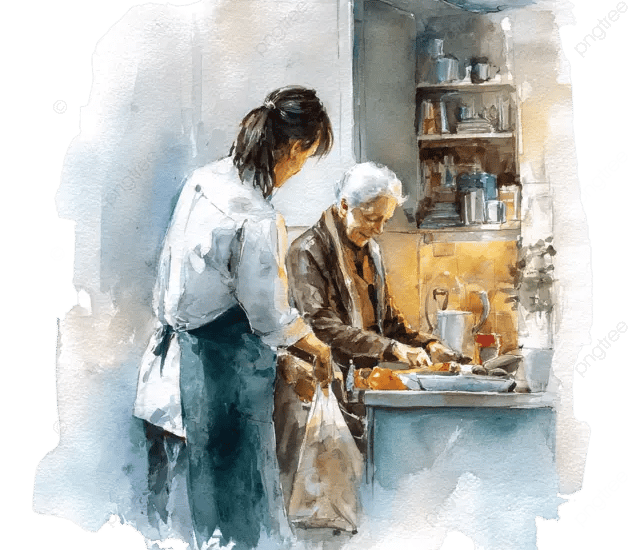
For many families, dementia doesn’t arrive suddenly. It shows up in small, quiet ways, a forgotten appointment in Rochester, a missed medication refill in Red Wing, a story repeated twice during Sunday dinner in Lake City. At first, it’s easy to explain away. Everyone forgets things now and then, right?
But when memory changes start to affect daily life, families often find themselves unsure of what they’re seeing, what it means, and what to do next. Seniors may worry about losing independence. Adult children may worry about waiting too long or acting too soon.
Understanding the stages of dementia doesn’t remove the difficulty of the journey, but it does replace fear with clarity. Often clarity gives families something invaluable, the ability to plan, instead of reacting.
Dementia isn’t a single disease, and it doesn’t look the same in everyone. That’s part of what makes it so hard to recognize in its early stages. Mild memory loss is frequently mistaken for normal aging, especially when many older adults take pride in staying independent and “not making a fuss.”
Seniors may notice changes but keep them hidden. Often worried about being judged or losing control over decisions is common. Adult children, particularly those living a few towns away or managing busy lives of their own may only see glimpses of the disease during visits and phone calls.
The result is that dementia often goes unaddressed until something forces the issue, a fall during an icy Minnesota winter, a confusing medication error or a hospitalization that reveals bigger concerns. By that point, families are already in crisis mode, trying to make important decisions under stress.
Without an understanding of dementia’s progression, families are left guessing. That uncertainty creates tension not only emotionally, but practically.
Adult children may disagree about what Mom or Dad really needs. One sibling believes everything is fine; another sees red flags. Seniors may feel criticized or controlled, even when concern comes from a place of love. Meanwhile, daily risks quietly increase.
Missed bills can lead to financial trouble. Driving becomes less safe. Nutrition suffers as cooking feels overwhelming. In Wabasha County and throughout Southeast Minnesota, home safety concerns grow during long winters, when icy steps, poor lighting, and cluttered walkways increase the risk of injury for someone already experiencing cognitive change.
Dementia itself is challenging enough. The lack of a plan is what makes it overwhelming.
If your family is struggling to have clear conversations about memory loss, you are not failing and neither is your loved one. Dementia is complex, emotional, and deeply personal. It challenges identity, independence, and long-standing family roles.
For seniors, acknowledging change can feel like giving something up. For adult children, stepping into a more supportive role can feel unfamiliar and uncomfortable. Many families delay action not out of denial, but out of love not wanting to disrupt life any sooner than necessary.


What families often don’t realize is that learning about dementia early doesn’t mean giving up independence. In fact, it often helps preserve it longer.
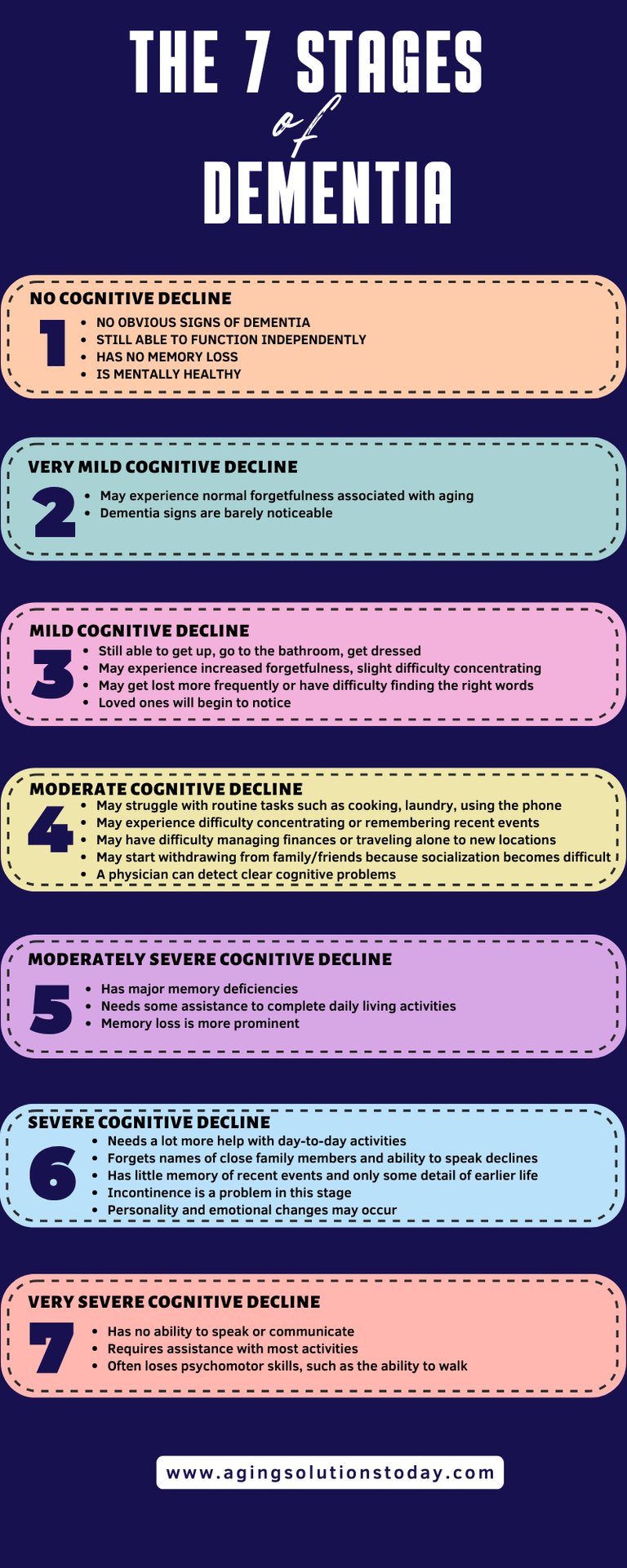
While doctors describe dementia in clinical terms, families live it day by day. Understanding the stages helps you recognize what’s happening and what kind of support is helpful at each point.
In the early stage, changes are often subtle. A person may forget names, misplace items more frequently, or struggle to find words. They may feel overwhelmed by complex tasks like managing finances or planning travel.
At this stage, many seniors still live independently and remain socially active. They’re often very aware of what’s happening, which can bring anxiety or frustration.
This stage is also the most valuable planning window. Conversations about preferences, safety, legal documents, and future care feel far less urgent and far less emotional when a senior can still fully express their wishes.
From a brain perspective, early dementia reflects changes in areas responsible for memory and communication. While the details vary by diagnosis, what’s most important for families is recognizing that these changes are real and not something someone can simply “try harder” to control.
As dementia progresses, daily routines start to break down. Loved ones may need reminders to bathe, eat regularly, or take medications. Mood changes, confusion, and suspicion can appear, even in individuals who were once easygoing.
Aging Solutions Today works with families across Southeast Minnesota and West Central Wisconsin to help them understand what’s happening, what’s coming, and what options truly fit their situation. Support goes far beyond placement assistance.
Families often reach out because they need someone to:
Clarify what options are best and available
Talk through safety concerns at home
Identify supportive services before a crisis occurs
Help families get on the same page
Reduce overwhelm with clear next steps
Because Aging Solutions Today understands local resources from in-home support options in Goodhue County to community services near Olmsted County guidance is practical, realistic, and rooted in experience, not pressure.
The goal is never to rush decisions, but to support families in making informed ones.
When families understand dementia and have guidance walking alongside them, several important shifts happen. Conversations feel calmer and more productive. Adult children stop second-guessing every decision. Seniors feel heard and included rather than talked around. Safety improves without unnecessary loss of independence.
Planning replaces panic. Families stop waiting for “one more incident” and start preparing thoughtfully for what lies ahead. Emotional strain doesn’t disappear, but it becomes manageable.
Most importantly, families begin to focus less on fixing dementia and more on living well alongside it. Dementia will always be a difficult journey. But it doesn’t have to feel chaotic, isolating, or overwhelming at every step.
With knowledge, support, and compassionate guidance, families can move forward with confidence preserving dignity, protecting safety, and maintaining connection for as long as possible.
Whether you’re a senior, noticing changes in yourself, or an adult child trying to understand what you’re seeing in someone you love, you don’t need all the answers today. You just need a place to start and the next step.
Here is your next step if you’re uncertain about memory changes or unsure what stage your loved one may be in, a conversation can make all the difference. Aging Solutions Today offers consultations to help families talk things through without pressure, and without judgment. Sometimes clarity begins with a simple phone call. We help you talk it through and explore what support might look like for your family.
Resources for Further Reading
Dementia Support Resources for Minnesota & Wisconsin Families


(You Are Not Alone)
Living with dementia or supporting someone who is, can feel isolating. The good news is that there are trusted, local resources available to help educate, support, and connect you with others who understand what you’re going through. The following list is just the beginning. For a more extensive list or guidance tailored to your needs, call Aging Solutions Today.
Alzheimer’s Association – Minnesota–North Dakota Chapter
A leading source for dementia education, caregiving support, and connection.
Caregiver and early-stage support groups (in-person & virtual)
Memory Cafés and social programs
Educational workshops and caregiving classes
24/7 Helpline for immediate guidance
Helpline: 800-272-3900 (available 24/7)
Website: https://www.alz.org/mnnd
Memory Cafés (Southeast Minnesota)
Memory Cafés offer relaxed, social gatherings for individuals living with dementia and those who support them. These are welcoming environments focused on connection not diagnosis.
Memory Cafés are available in and around:
Rochester (Olmsted County)
Red Wing (Goodhue County)
Lake City (Wabasha County)
Find a local café: https://memorycafedirectory.com
Senior LinkAge Line® (Minnesota)
A free, unbiased service that helps older adults and caregivers understand options and next steps.
They can assist with:
Dementia-related resources
Caregiver support and respite options
Benefits and long-term planning questions
Call: 1-800-333-2433
Website: https://mn.gov/senior-linkage-line
Alzheimer’s Association – Wisconsin Chapter
Support groups, education, and caregiver resources throughout western Wisconsin.
🔗 https://www.alz.org/wi
Aging & Disability Resource Centers (ADRCs)
County-based resource centers offering dementia care guidance and caregiver support.
🔗 https://www.dhs.wisconsin.gov/adrc
How Aging Solutions Today Can Help
Many families tell us the hardest part is knowing where to start or which resource actually fits their situation.
Aging Solutions Today often helps families:
Talk through memory changes and concerns
Understand what stage of dementia they may be facing
Identify supportive services before a crisis occurs
Reduce overwhelm with clear, practical next steps and when to implement
If you’re unsure what support makes sense for your family, you’re invited to call and talk it through, no pressure, just guidance.
This is often the stage when family caregivers feel stretched thin. Spouses try to compensate quietly. Adult children step in more frequently, sometimes without any clear plan. Families begin asking hard questions about home safety, driving, and support services.
Brain changes during this stage affect reasoning, judgment, and emotional regulation. The person you love is still there but their ability to interpret the world is shifting.
Support at this stage isn’t about taking over. It’s about creating structure, safety, and predictability for both the individual and the family supporting them.
In the later stages of dementia, individuals typically require hands-on assistance with most daily activities. Communication becomes limited. Physical decline often accompanies cognitive loss.
Families experience a unique kind of grief during this stage mourning the gradual loss of shared memories and connection while still caring deeply for the person in front of them. Caregiver burnout is common, especially for spouses who may be aging themselves.
This is also the stage where reactive decisions like rushed placement, hospitalizations and family conflict can take a heavy emotional toll if earlier planning wasn’t possible. This is where guidance matters.
Aging Solutions Today
Empowering your aging journey with care.
Contact
Know your options
651-380-3084
© 2026. All rights reserved. Privacy Policy | Terms & Conditions